The short answer: G2A is usually safe, but the failure mode is severe and not fully refundable. If a code you buy on G2A turns out to have been bought with a stolen credit card, Riot revokes the VP weeks or months after you have already spent it on skins. G2A's standard refund process can compensate you for the code purchase, but the in-game items you bought with the (now-gone) currency stay gone.
That risk is small in absolute terms (most codes are fine), but it is non-zero, and it is the reason many veteran players avoid marketplaces even when the headline price is 15% cheaper. Here is the longer breakdown.
How a G2A listing actually works
G2A and Eneba are not retailers. They are marketplaces, like eBay for digital codes. Individual sellers (often resellers from lower-priced regions) list codes they have obtained, and buyers purchase from those sellers. G2A is the broker, taking a percentage.
This means three things matter on every listing: who the seller is, where the code was originally purchased, and how it was paid for. You usually can't see any of these clearly before you buy.
What 'chargeback revocation' means
The riskiest pattern is this: someone uses a stolen credit card to buy VP from Riot, then lists the code on G2A immediately. The code gets sold to a regular buyer (you), you redeem it, the VP appears in your account, and you spend it on skins. Two to six weeks later, the original cardholder discovers the unauthorised charge and files a chargeback with their bank.
The chargeback reverses the original payment to Riot. Riot's system then matches that reversal to the specific code, marks it as fraudulent, and removes the VP from whoever's account it landed in, even if that account is yours and you bought the code in good faith. The skins you already purchased remain in your collection (those are tied to your account, not the VP), but any remaining VP balance from that code disappears.
G2A Shield and what it does (and doesn't) cover
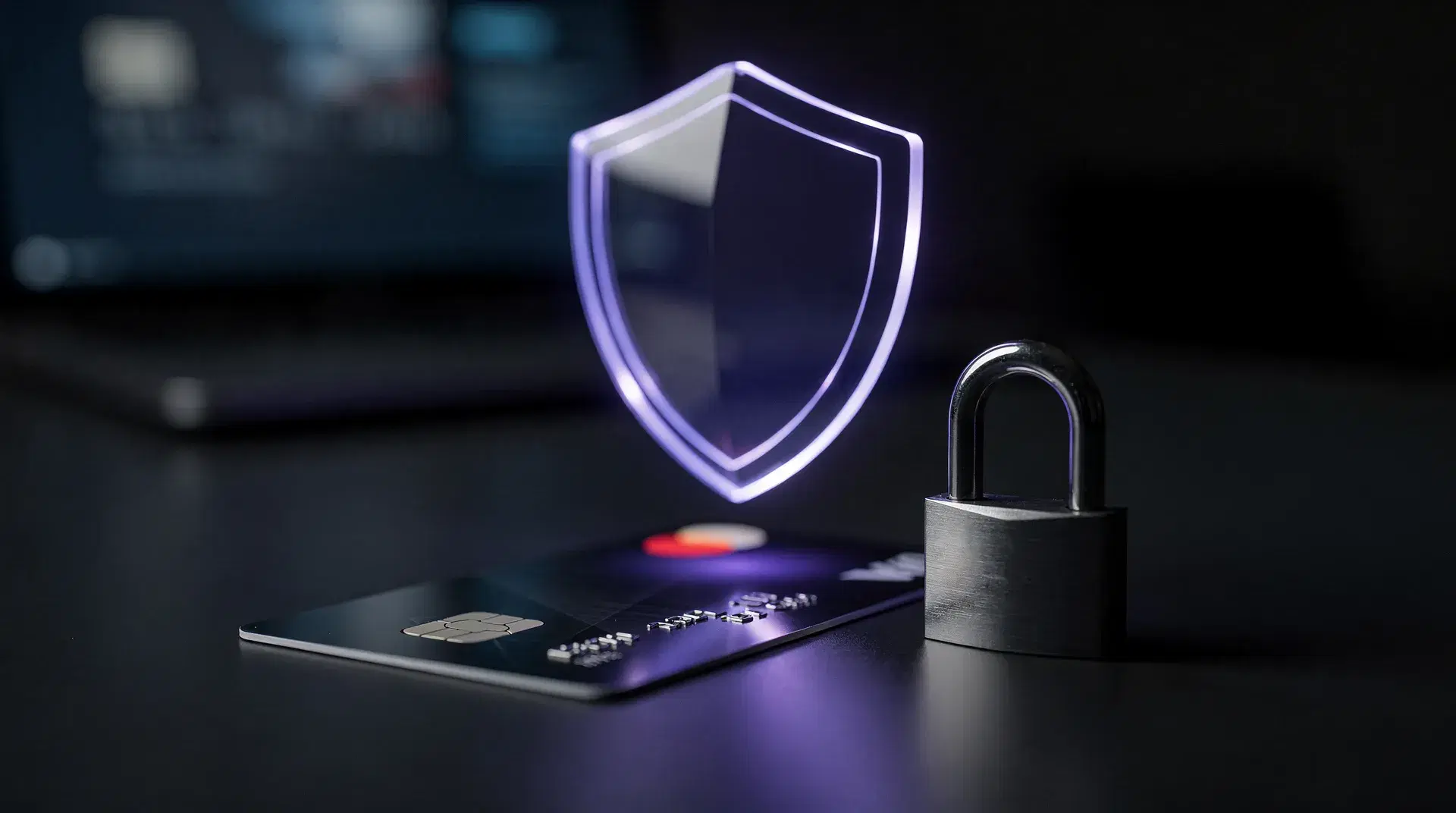
G2A sells a paid buyer-protection product called G2A Shield. With Shield active, you can get a refund for a revoked code more easily, but the refund covers the code price, not the in-game items you spent the currency on. If you spent the VP within an hour of redemption and Riot revokes it three weeks later, Shield gets you back the €15 you paid for the code, not the €15 skin you bought with it.
Shield costs roughly €1 per month. Adding it to a single VP purchase erodes a non-trivial portion of the savings.
Region locking is the smaller, more common problem
Most G2A listings are not chargeback fraud. They are cross-region arbitrage: someone in Turkey, Argentina, or another lower-priced region buys VP at local prices and resells it at a profit, still under EU/NA retail. The catch is that VP codes are region-locked.
A Turkey-region code redeemed on an EU account simply fails. The listing usually says "Region: Turkey" somewhere in small text, but first-time buyers often miss it and only find out when the redeem screen returns an error. Refunds for region-mismatched codes are generally available but require contacting support, sometimes more than once.
When G2A is actually fine
We are not arguing G2A is unusable. For non-essential digital goods where the consequences of a problem are small (random PC game keys, for example), the marketplace model works fine and the savings are real. The reasons to be cautious with VP specifically are:
- You spend VP on items that take account-level slots (skins, accessories). A revoke can't un-buy those, only un-fund them.
- Riot has historically been aggressive about chargeback revocation compared to other game publishers.
- The savings over an authorised distributor are smaller than they look once you add Shield, account for region risk, and factor in delivery delay.
What we'd actually recommend
The cleanest middle ground is an authorised distributor: a third-party shop that buys VP wholesale from Riot's partners and resells official, first-hand codes at a 5–10% discount. No marketplace seller in between, no region-mismatch risk, no chargeback exposure. Ascend Shop works this way and adds two things G2A and Eneba structurally can't: 5–10% loyalty cashback that compounds across orders, and a full Discord shop with proof-of-delivery logged in-server.
If the savings on G2A look meaningfully bigger than the savings at an authorised distributor (more than 15% under retail), that is usually the price of the risk you are taking on. The headline price is rarely a free win, especially once you factor in cashback you would earn on the safer channel.
Our deeper comparison of all five channels lives here. And the Codashop / Rootershop / Ascend side-by-side is here.
Frequently asked
Can Riot ban my account for buying VP from G2A?
Riot's policy does not specifically ban buying from marketplaces, but they reserve the right to revoke fraudulent codes regardless of which channel you bought through. The risk is not an account ban; it's losing the VP itself if the original purchase turns out to have been fraudulent.
What happens if a G2A VP code is revoked after I've used it?
Riot removes whatever VP balance is left on the account from that code. Skins you've already purchased with the VP stay in your collection (those are tied to your account, not the VP balance). If you bought G2A Shield, you can claim back the code's purchase price, but not the value of items you bought with it.
Is Eneba safer than G2A?
The mechanics are similar; both are marketplaces with individual sellers. Eneba's interface is slightly more transparent about seller region and rating, and their buyer-protection process is slightly more user-friendly. The underlying chargeback-revocation risk is the same.
What's the difference between a 'marketplace' and an 'authorised distributor'?
A marketplace (G2A, Eneba) hosts listings from individual sellers and takes a fee. An authorised distributor (Riot's named partners, and the resellers downstream from them) is a single retailer that buys VP wholesale from Riot's distribution network and sells official codes directly. The difference matters: the second route is first-hand and traceable; the first route is peer-to-peer and isn't.